%2Ffit-in%2F250x250%2Fusers%2Fc735d2f7-acc6-4d6c-9302-4fb0a9db6119%2Fimages%2Fc189b035-20a5-46de-b59a-58deafd3f77a.jpg&w=1920&q=100)
/users/c735d2f7-acc6-4d6c-9302-4fb0a9db6119/ratecard/485976712_1189775562937324_858217837883108697_n.jpg)
%2F300x300%2Fusers%2Fc735d2f7-acc6-4d6c-9302-4fb0a9db6119%2Fratecard%2F485976712_1189775562937324_858217837883108697_n.jpg&w=256&q=75)
%2F300x300%2Fusers%2Fc735d2f7-acc6-4d6c-9302-4fb0a9db6119%2Fimages%2Ffishing-adventure-nj-2850.jpeg&w=256&q=75)
%2F300x300%2Fusers%2Fc735d2f7-acc6-4d6c-9302-4fb0a9db6119%2Fimages%2Ffishing-adventure-nj-2379.jpeg&w=256&q=75)
%2F300x300%2Fusers%2Fc735d2f7-acc6-4d6c-9302-4fb0a9db6119%2Fimages%2Fspanish-mackerel-wildwood-fishing-2419.jpeg&w=256&q=75)
%2F300x300%2Fusers%2Fc735d2f7-acc6-4d6c-9302-4fb0a9db6119%2Fimages%2Fanglers-catch-bluefish-nj-2424.jpeg&w=256&q=75)
%2F300x300%2Fusers%2Fc735d2f7-acc6-4d6c-9302-4fb0a9db6119%2Fimages%2Fspanish-mackerel-catch-wildwood-2410.jpeg&w=256&q=75)
%2F300x300%2Fusers%2Fc735d2f7-acc6-4d6c-9302-4fb0a9db6119%2Fimages%2Ffishing-wildwood-1-person-2369.jpeg&w=256&q=75)
%2F300x300%2Fusers%2Fc735d2f7-acc6-4d6c-9302-4fb0a9db6119%2Fimages%2Fsuccessful-fishing-expedition-nj-2474.jpeg&w=256&q=75)
%2F300x300%2Fusers%2Fc735d2f7-acc6-4d6c-9302-4fb0a9db6119%2Fimages%2Fatlantic-bonito-caught-nj-2405.jpeg&w=256&q=75)
%2F300x300%2Fusers%2Fc735d2f7-acc6-4d6c-9302-4fb0a9db6119%2Fimages%2Fbest-fishing-day-nj-2483.jpeg&w=256&q=75)
%2F300x300%2Fusers%2Fc735d2f7-acc6-4d6c-9302-4fb0a9db6119%2Fimages%2Flittle-tunny-fish-wildwood-2447.jpg&w=256&q=75)
Advanced Half-Day Fishing in Wildwood | Tara Anne
 Wildwood, NJ
What you will be catching:
 Atlantic Bonito
 Black Sea Bass
 Bluefish
 Spanish Mackerel
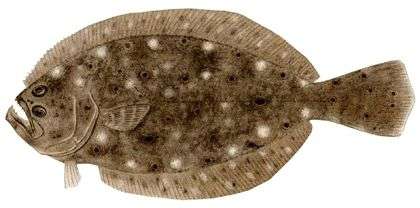
 Summer Flounder
- This half-day morning trip out of Wildwood is built for serious anglers who know their way around a rod. Captain Joseph gets you on the water by 8 AM and puts you right where the action is – trolling for fast-moving Bluefish, Spanish Mackerel, and Atlantic Bonito, or working the bottom for Black Seabass and Flounder. You'll get 2-3 solid hours of fishing time in productive inshore waters after the ride out. The 30-foot Island Hopper gives all 6 guests plenty of room to work, perfect for testing your skills and dialing in techniques. All gear and licenses are covered, so you can focus on what you came for – putting fish in the cooler and getting the most out of your time on the water.
Trip Pricing and Availabilities:
Half Day Advanced Fishing In Wildwood Waters
If you're tired of beginner trips that waste your time with basic techniques, Captain Joseph's half-day advanced charter out of Wildwood is exactly what you've been looking for. This isn't some hand-holding experience – it's a focused, no-nonsense morning designed for anglers who know their way around a rod and want to get on the fish fast. We're talking 8 AM departure with 2-3 hours of pure fishing time once we reach the productive waters off the Jersey coast. The 30-foot Island Hopper Pilothouse gives all six anglers plenty of room to work, whether you're perfecting your trolling game or working the bottom for keeper bass and flounder.
What to Expect on the Water
This trip cuts straight to the action. Captain Joseph knows these Wildwood waters like the back of his hand, and he's not interested in burning daylight getting there. We'll cruise out to the spots that are producing, and you'll spend your time actually fishing instead of riding around hoping for a bite. The boat's setup is perfect for experienced anglers – plenty of deck space to move around, quality electronics to mark fish, and room for everyone to fish without getting tangled up. You'll switch between trolling for the fast movers like Spanish mackerel and bonito, then drop down to work the structure for black sea bass and summer flounder. All your gear and licenses are covered, so you can focus on what you do best – putting fish in the boat.
Trolling Lines & Bottom Rigs
We run a mix of techniques depending on what's biting and where the fish are holding. The trolling spread typically includes a variety of spoons, diving plugs, and rigged ballyhoo to target the pelagic species moving through the area. When Spanish mackerel are running hot, we'll adjust our speed and lure selection to stay in the strike zone. For bottom fishing, we're talking traditional rigs with circle hooks and fresh bait to target the structure-loving bass and flatfish. Captain Joseph keeps quality tackle on board, but if you've got your favorite rods or specific lures you want to throw, bring them along. The key is staying flexible and reading the conditions – some days the fish want fast-moving baits up high, other days they're hugging the bottom and you need to get down to them.
Species You'll Want to Hook
Spanish Mackerel are absolute speed demons that'll test your reflexes when they hit. These silver bullets typically show up in good numbers from late spring through early fall, and they're notorious for their blistering runs and acrobatic fights. Most fish in our waters run 1-3 pounds, but don't let the size fool you – they fight way above their weight class and make excellent table fare. They're often the first to show up on the troll, hitting small spoons and jigs with aggressive strikes that'll wake you up fast.
Bluefish are the bullies of the inshore waters, and for good reason. These toothy predators can show up anywhere from 2-15 pounds in our area, and they fight dirty from the moment they feel the hook. Summer and early fall are prime time when they're feeding heavily before their southern migration. Blues will hit just about anything that moves, but they're particularly fond of wire-line trolling setups and chunked baits. Just remember to keep your fingers away from those razor-sharp teeth – even a small blue can do some damage.
Black Sea Bass are the bread-and-butter bottom fish that keep trips productive when the surface action slows down. These chunky fighters love structure and typically hold around wrecks, reefs, and rocky bottom in 30-80 feet of water. The season usually runs May through December, with summer and fall producing the best action. Most keeper bass run 1-4 pounds, though bigger fish are always possible. They're excellent eating and fight surprisingly hard for their size, making multiple runs toward the bottom structure they call home.
Summer Flounder, or fluke as we call them locally, are the ultimate flatfish challenge. These ambush predators can be finicky feeders, but when you crack the code, they provide some of the best eating in the ocean. The summer season typically peaks from June through September, with fish ranging from just-legal 18-inchers up to genuine doormat-sized specimens over 5 pounds. They love sandy bottom areas near structure, and the key is keeping your bait moving just off the bottom to trigger strikes.
Atlantic Bonito are the wild cards that can turn a good day into an amazing one. These small tunas are built for speed and endurance, often showing up in schools when water temperatures are right. Fall is typically the best time to encounter them as they follow bait schools along the coast. Most bonito run 2-6 pounds, but they fight like fish twice their size with long, powerful runs that'll test your drag settings. They're excellent on light tackle and make fantastic sashimi if you're into raw fish.
Time to Book Your Spot
This isn't your typical tourist fishing trip – it's a focused, productive morning designed for anglers who know what they're doing and want to maximize their time on the water. Captain Joseph runs a tight ship and knows how to put experienced fishermen on the bite, whether you're looking to dial in new techniques or just want to catch some quality fish without the usual charter boat chaos. With only six spots available and gear included, all you need to bring is your experience and maybe some extra tackle if you've got favorites you want to try. Book your advanced half-day trip and get ready for some serious fishing action off the Wildwood coast.
Learn more about the species
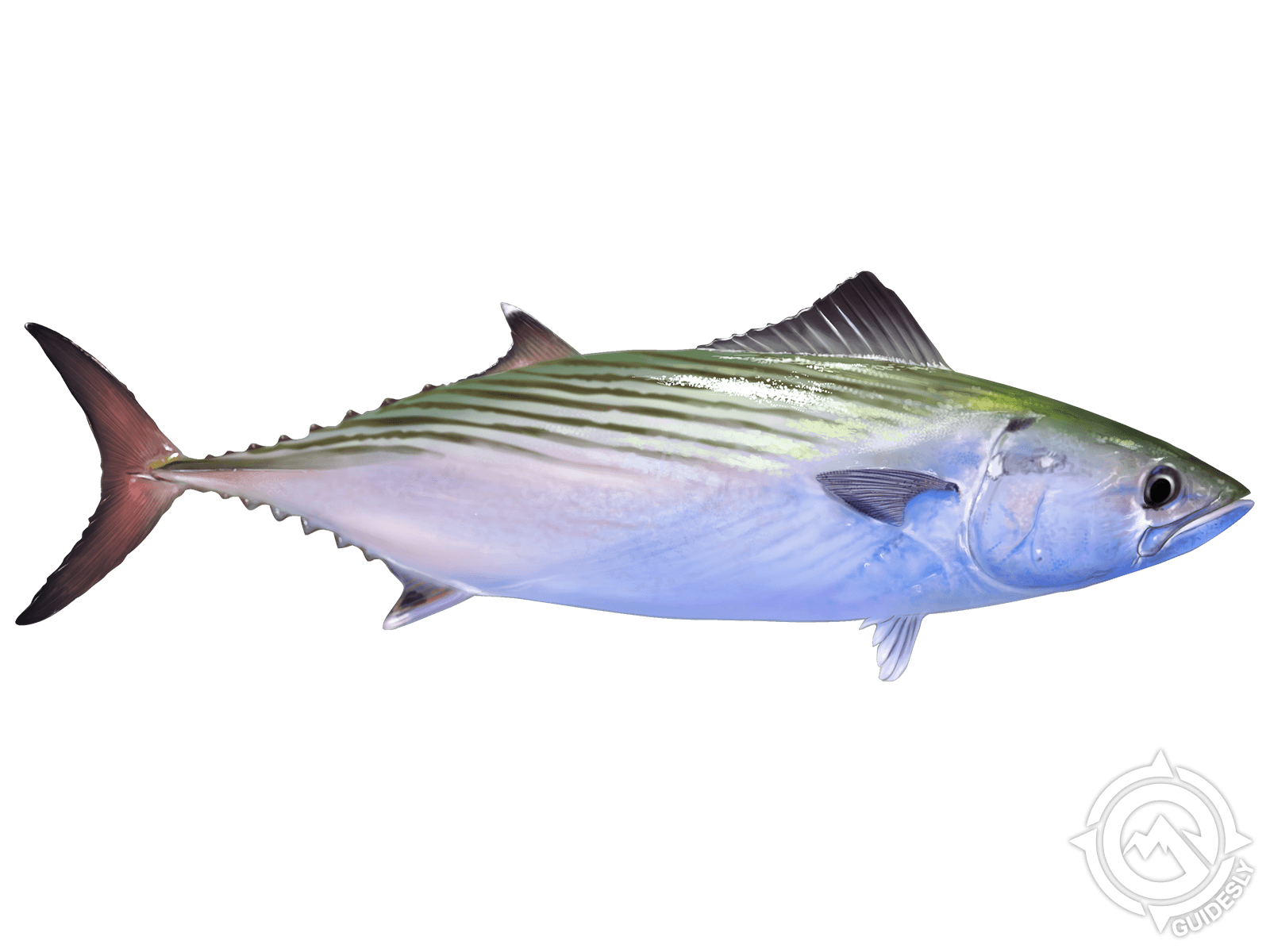
Atlantic Bonito
Atlantic Bonito are speed demons that hit lures like freight trains. These torpedo-shaped fish typically run 3-8 pounds and can hit 40 mph when chasing bait. They're tuna relatives with dark stripes along silver sides and that classic sickle tail built for speed. We find them from mid-summer through fall when water temps are in the 60s and 70s, usually in schools feeding on the surface. Look for diving birds - that's your best sign they're around. They cruise both inshore and offshore waters, following bait schools. Guests love the heart-stopping strikes and blistering runs these fish make. They're not great table fare here, but the action more than makes up for it. Best tip: once you find a feeding school, work fast with small metal jigs or spoons. Keep your trolling speed up around 8-10 knots - these fish like their lures moving.
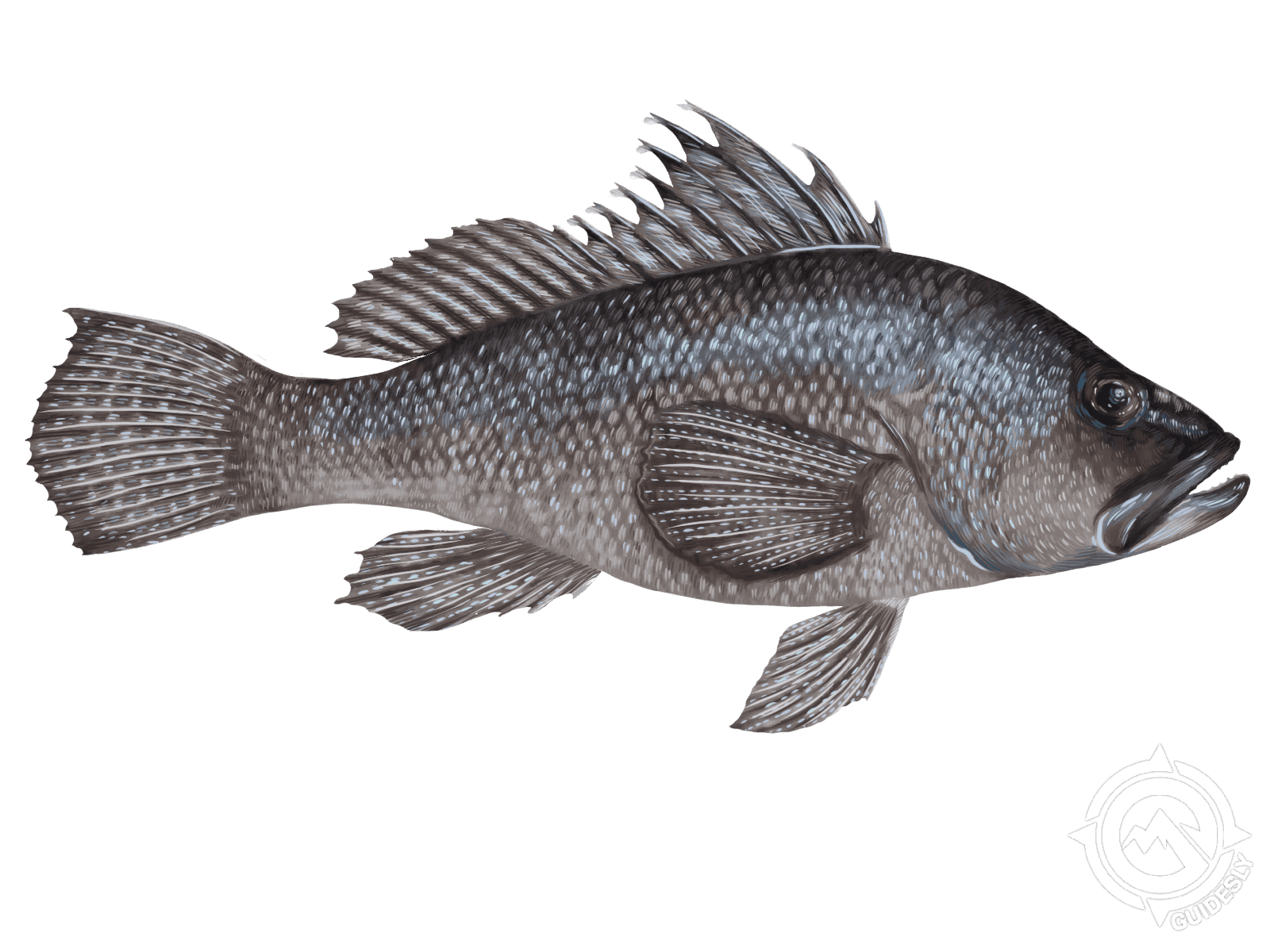
Black Sea Bass
Black Sea Bass are chunky, bottom-dwelling fighters that love hanging around structure. Most fish we catch run 1-4 pounds and 12-16 inches, though keepers need to be 15 inches minimum. They're homebodies that stick to wrecks, reefs, and rocky bottom in 20-100 feet of water. Late spring through fall is prime season when they move inshore to feed and spawn. These fish have personality - males turn bright blue during spawning and develop a distinctive hump on their heads. Guests appreciate their steady bite and excellent table fare. They're also interesting because they change from female to male as they grow. My go-to technique is dropping squid or clam strips on a high-low rig right to the bottom, then lifting it just a foot or two. Keep your bait moving slightly - they like to see some action before they commit to biting.
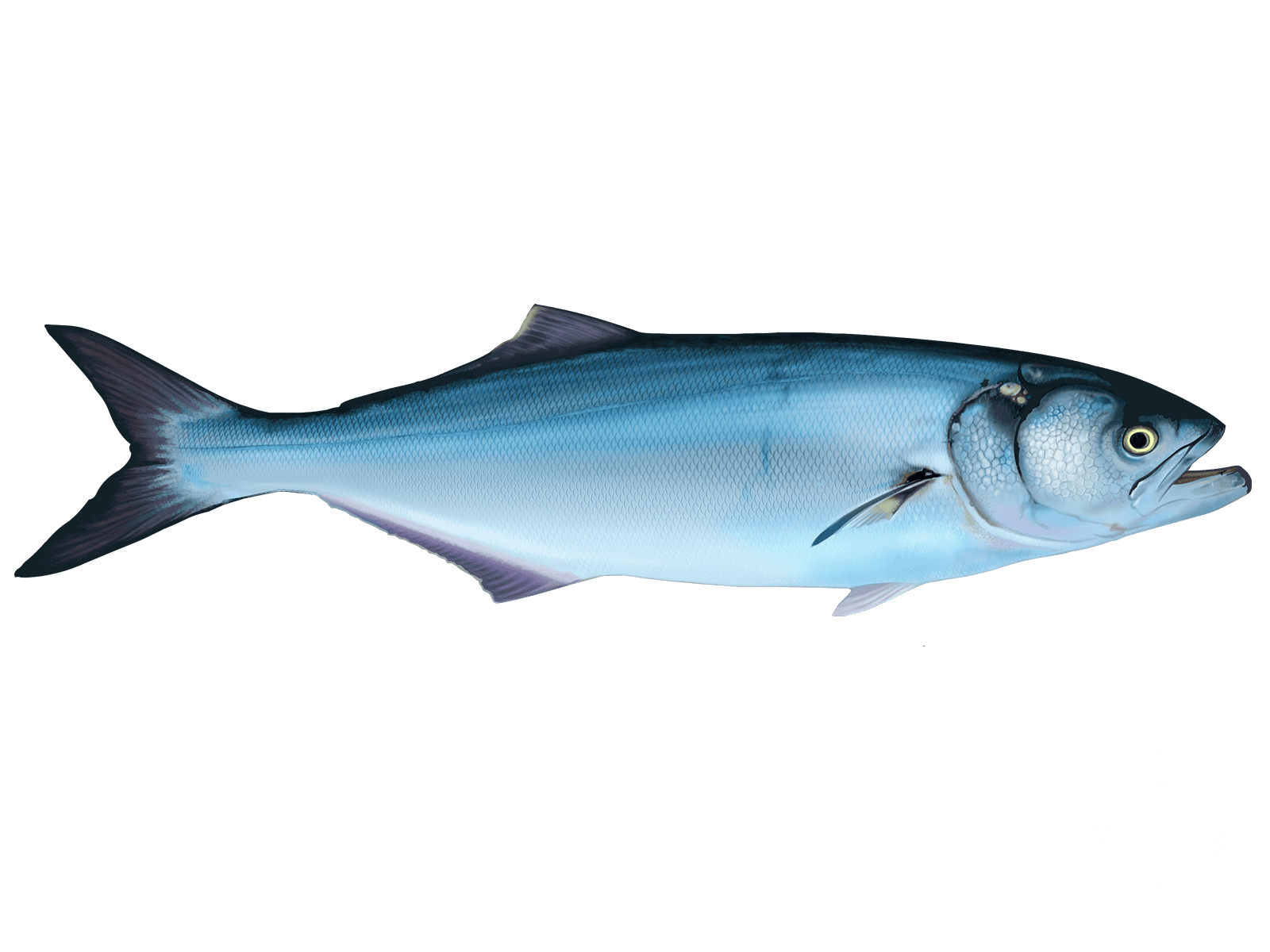
Bluefish
Bluefish are aggressive predators that put up a serious fight once hooked. Most run 2-8 pounds, but we see some bigger ones pushing 15+ pounds during peak season. They've got razor-sharp teeth and an attitude to match - these fish attack baitfish in feeding frenzies that can turn the water into chaos. Summer through early fall is prime time when they're thick in our waters, hunting in schools along beaches, around structure, and over open bottom. You'll find them anywhere from the surf line out to 50+ feet deep. Guests love the nonstop action when we get into a good school, plus they're excellent eating when handled right. Pro tip: always use a wire leader - their teeth will cut through mono in a heartbeat. When the bite is on, almost any lure works, but metal spoons and poppers are hard to beat.
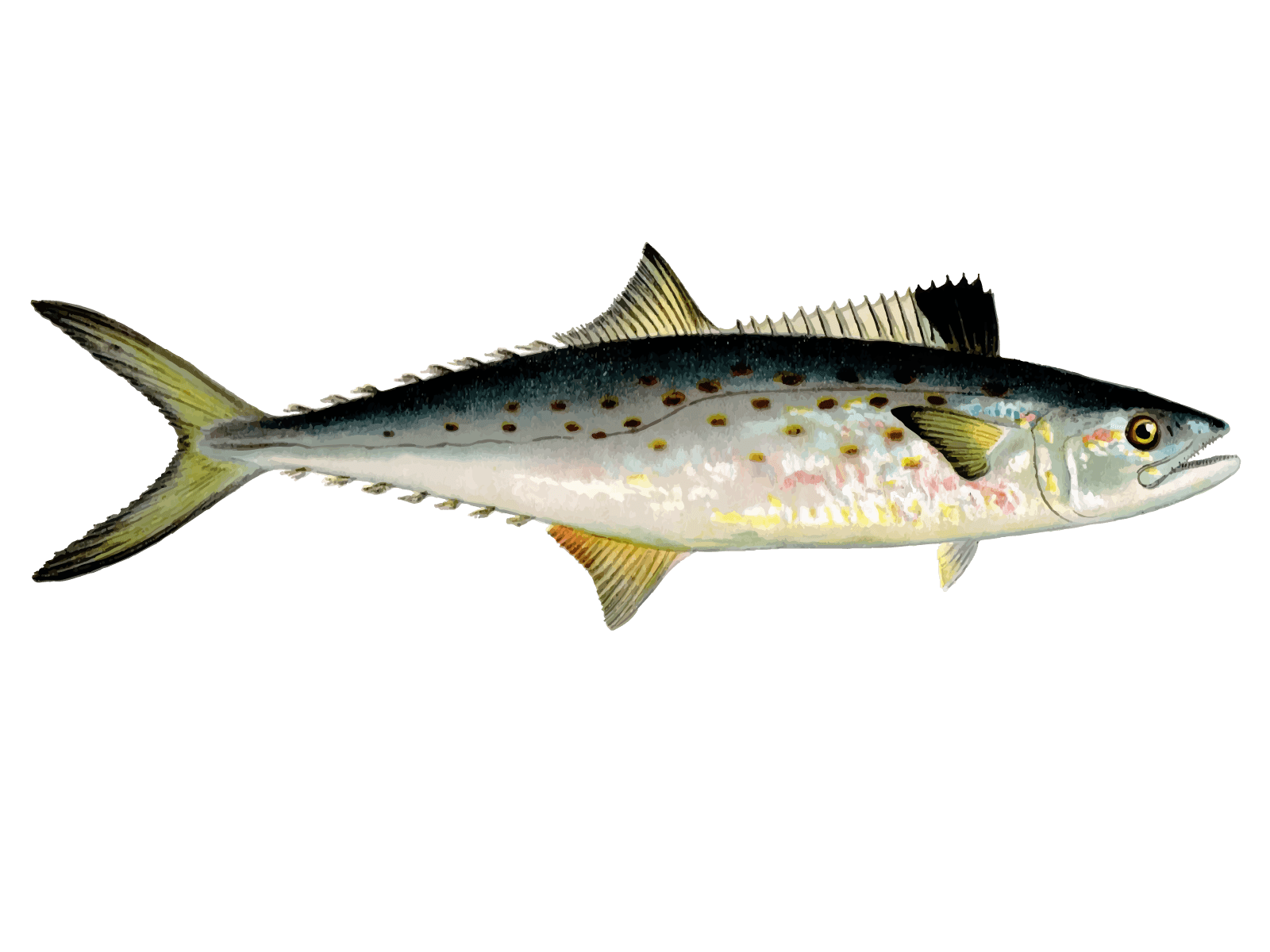
Spanish Mackerel
Spanish Mackerel are fast, silvery fish with distinctive yellow spots along their sides. Most run 1-3 pounds and 12-20 inches, though bigger ones hit the scales around 8-10 pounds. They're speed demons that travel in schools near the surface, making them perfect for trolling action. You'll find them in our warmer months from late spring through early fall when water temps climb into the 70s. They love structure like wrecks and reefs but also cruise open water chasing baitfish. Guests love these fish because they fight hard for their size and make great table fare - mild, flaky meat that grills up perfect. Here's a tip: when trolling, keep your speed around 6-8 knots and use small spoons or diving plugs. Once you hook into a school, work the area thoroughly since they usually travel in good numbers.
Summer Flounder
Summer Flounder are flatfish that lie on sandy bottom waiting to ambush prey. Most keepers run 15-20 inches and 1-4 pounds, though we catch some real doormats pushing 6+ pounds. They're masters of camouflage, changing color to match the bottom perfectly. Best fishing runs from late spring through fall in 15-50 feet of water over sand, mud, and mixed bottom near structure edges. These fish have both eyes on one side of their head and bite sideways, which takes some getting used to. Guests love them because they're one of the best eating fish in the ocean - sweet, white meat that's perfect for any cooking style. Here's the key: use a slow drift with bucktails tipped with squid strips or live minnows. Keep your bait moving just off bottom and be patient - they often mouth the bait before fully committing.
About the 30 ft Island Hopper Pilothouse
%2F%2Fusers%2Fc735d2f7-acc6-4d6c-9302-4fb0a9db6119%2Fvehicle_picture%2F126e89a3-c598-4c10-861e-60cecbbc5a25.jpg&w=1920&q=75)
Vehicle Guest Capacity: 6
Manufacturer Name: Cummins
Maximum Cruising Speed: 17
Number of Engines: 1
Horsepower per Engine: 330
Captain Joseph's 30-foot Island Hopper Pilothouse cuts through Wildwood's inshore waters with purpose. This morning departure at 8 AM gets serious anglers to the fish fast, spending 2-3 hours working productive spots where Bluefish tear through bait and Spanish Mackerel flash silver in the current. The spacious deck handles up to 6 experienced fishermen comfortably, whether you're trolling for lightning-quick Atlantic Bonito or dropping lines for chunky Black Seabass and Flounder hugging the bottom. All tackle and licenses come ready, so you can focus on reading the water, perfecting your technique, and boxing quality catches. This isn't a sightseeing cruise – it's a targeted fishing mission for anglers who know what they want and how to get it done.