%2Ffit-in%2F250x250%2Fusers%2Fc735d2f7-acc6-4d6c-9302-4fb0a9db6119%2Fimages%2Fc189b035-20a5-46de-b59a-58deafd3f77a.jpg&w=1920&q=100)
/users/c735d2f7-acc6-4d6c-9302-4fb0a9db6119/ratecard/530216976_18335299702201279_5905997824016373204_n.jpg)
%2F300x300%2Fusers%2Fc735d2f7-acc6-4d6c-9302-4fb0a9db6119%2Fratecard%2F530216976_18335299702201279_5905997824016373204_n.jpg&w=256&q=75)
%2F300x300%2Fusers%2Fc735d2f7-acc6-4d6c-9302-4fb0a9db6119%2Fimages%2Ffishing-adventure-nj-2850.jpeg&w=256&q=75)
%2F300x300%2Fusers%2Fc735d2f7-acc6-4d6c-9302-4fb0a9db6119%2Fimages%2Ffishing-adventure-nj-2379.jpeg&w=256&q=75)
%2F300x300%2Fusers%2Fc735d2f7-acc6-4d6c-9302-4fb0a9db6119%2Fimages%2Fspanish-mackerel-wildwood-fishing-2419.jpeg&w=256&q=75)
%2F300x300%2Fusers%2Fc735d2f7-acc6-4d6c-9302-4fb0a9db6119%2Fimages%2Fanglers-catch-bluefish-nj-2424.jpeg&w=256&q=75)
%2F300x300%2Fusers%2Fc735d2f7-acc6-4d6c-9302-4fb0a9db6119%2Fimages%2Fspanish-mackerel-catch-wildwood-2410.jpeg&w=256&q=75)
%2F300x300%2Fusers%2Fc735d2f7-acc6-4d6c-9302-4fb0a9db6119%2Fimages%2Ffishing-wildwood-1-person-2369.jpeg&w=256&q=75)
%2F300x300%2Fusers%2Fc735d2f7-acc6-4d6c-9302-4fb0a9db6119%2Fimages%2Fsuccessful-fishing-expedition-nj-2474.jpeg&w=256&q=75)
%2F300x300%2Fusers%2Fc735d2f7-acc6-4d6c-9302-4fb0a9db6119%2Fimages%2Fatlantic-bonito-caught-nj-2405.jpeg&w=256&q=75)
%2F300x300%2Fusers%2Fc735d2f7-acc6-4d6c-9302-4fb0a9db6119%2Fimages%2Fbest-fishing-day-nj-2483.jpeg&w=256&q=75)
%2F300x300%2Fusers%2Fc735d2f7-acc6-4d6c-9302-4fb0a9db6119%2Fimages%2Flittle-tunny-fish-wildwood-2447.jpg&w=256&q=75)
Premier Wildwood Afternoon Fishing | Tara Anne

 Wildwood, NJ
What you will be catching:
 Atlantic Bonito
 Black Sea Bass
 Bluefish
 Spanish Mackerel
 Summer Flounder
- This half-day afternoon trip out of Wildwood gives you a solid taste of New Jersey's inshore fishing without eating up your whole day. Captain Joseph runs a comfortable 30-foot pilothouse boat that handles up to 6 people, departing at 1:00 PM for about 4 hours total. You'll get 2-3 hours of actual fishing time after the boat ride to the grounds. The crew sets you up for trolling runs after Spanish Mackerel, Bluefish, and Atlantic Bonito, or drops lines to the bottom for Black Seabass and Summer Flounder. All your gear and licenses are covered, so you just show up ready to fish. It's a great way to get out on the water and see what's biting in the afternoon.
Trip Pricing and Availabilities:
Half Day Afternoon Fishing Trip in Wildwood, NJ
Looking for a solid afternoon on the water without committing to a full day? This half-day fishing trip out of Wildwood hits the sweet spot perfectly. Captain Joseph runs a tight ship aboard his 30-foot Island Hopper Pilothouse, and with space for up to 6 anglers, you'll have plenty of room to cast without bumping elbows. The 1:00 PM departure gives you time to enjoy your morning and still get in some serious fishing action before dinner. You're looking at about 4 hours total, with 30-60 minutes of that being travel time to the productive grounds. That leaves you with 2-3 hours of focused fishing time where the real magic happens.
What to Expect on the Water
This trip brings together the best of both worlds – trolling for the speed demons and bottom fishing for the heavy hitters. The afternoon timing works great because you're hitting the water when the morning boat traffic dies down and the fish start getting active again. Captain Joseph knows these Wildwood waters like the back of his hand, and he'll adjust the game plan based on what's biting and where the action is happening that day. The boat's equipped with everything you need – rods, reels, tackle, and all the licenses are covered. Just show up ready to fish. The pilothouse design means you've got shade when you need it and protection if the weather kicks up, but still plenty of open deck space for fighting fish.
Trolling and Bottom Tactics
The beauty of this trip is the variety in techniques. When we're trolling, we're pulling lures and bait at different speeds to trigger strikes from Spanish Mackerel, Bluefish, and those prized Atlantic Bonito. These fish are aggressive feeders, and when they hit a trolled bait, you'll know it immediately. The boat's equipped with quality trolling gear that can handle the runs these fish are famous for. For the bottom fishing portion, we're dropping down with different rigs depending on what we're targeting. Summer Flounder love a good drift with bucktails and strips, while Black Seabass prefer staying tight to structure with bait rigs. Captain Joseph switches between techniques based on conditions, tides, and what the fish are telling us that day.
What Anglers Are Saying
"What could have been a mediocre day was anything but that! Just before our scheduled arrival, Capt Nick let us know the morning trip hadn't yielded much and the water conditions were less than perfect - he left it up to us whether we'd like to do the trip or not. We decided to roll the dice and go for it - and we're happy we did! Capt Nick and Brian were both personable and knowledgable - answering all the questions we asked and sharing some great stories along the way - we even got to share a great dolphin story we heard. Onto the fishing! With no guarantees and the warning that morning run wasn't very fruitful, we prepared ourselves to not catch much. But we sat out there enjoying the water and sharing some laughs until, suddenly, we got a bite! There were three of us on the trip and we each had the opportunity to reel in a shark. I'm no expert at all - but they were saying each one was probably around 150 - 200 pounds! We had an absolutely wonderful day on the water and each of us now has a new and exciting fishing story to tell our friends - with pictures to prove it! Highly recommend - 5 stars - would do this again!" - Maria
Top Catches This Season
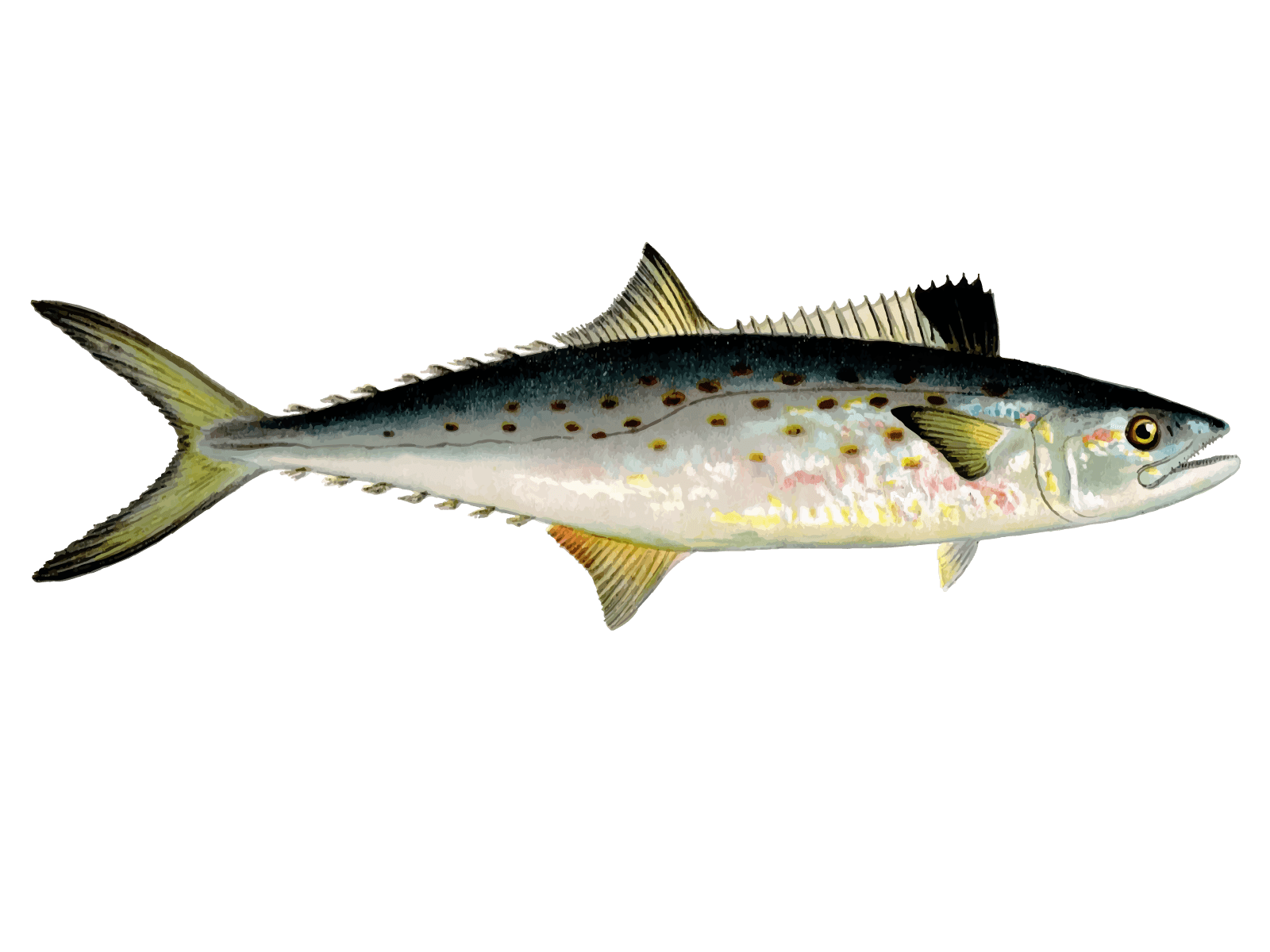
Spanish Mackerel are absolute rockets when they hit your line. These silvery speedsters typically run 1-3 pounds and are most active during the warmer months from late spring through early fall. They're schooling fish, so when you find one, there are usually more around. What makes them special is their aggressive nature – they'll hit fast-moving lures and put up a fight that's way bigger than their size suggests. Plus, they're fantastic table fare with firm, flaky white meat.
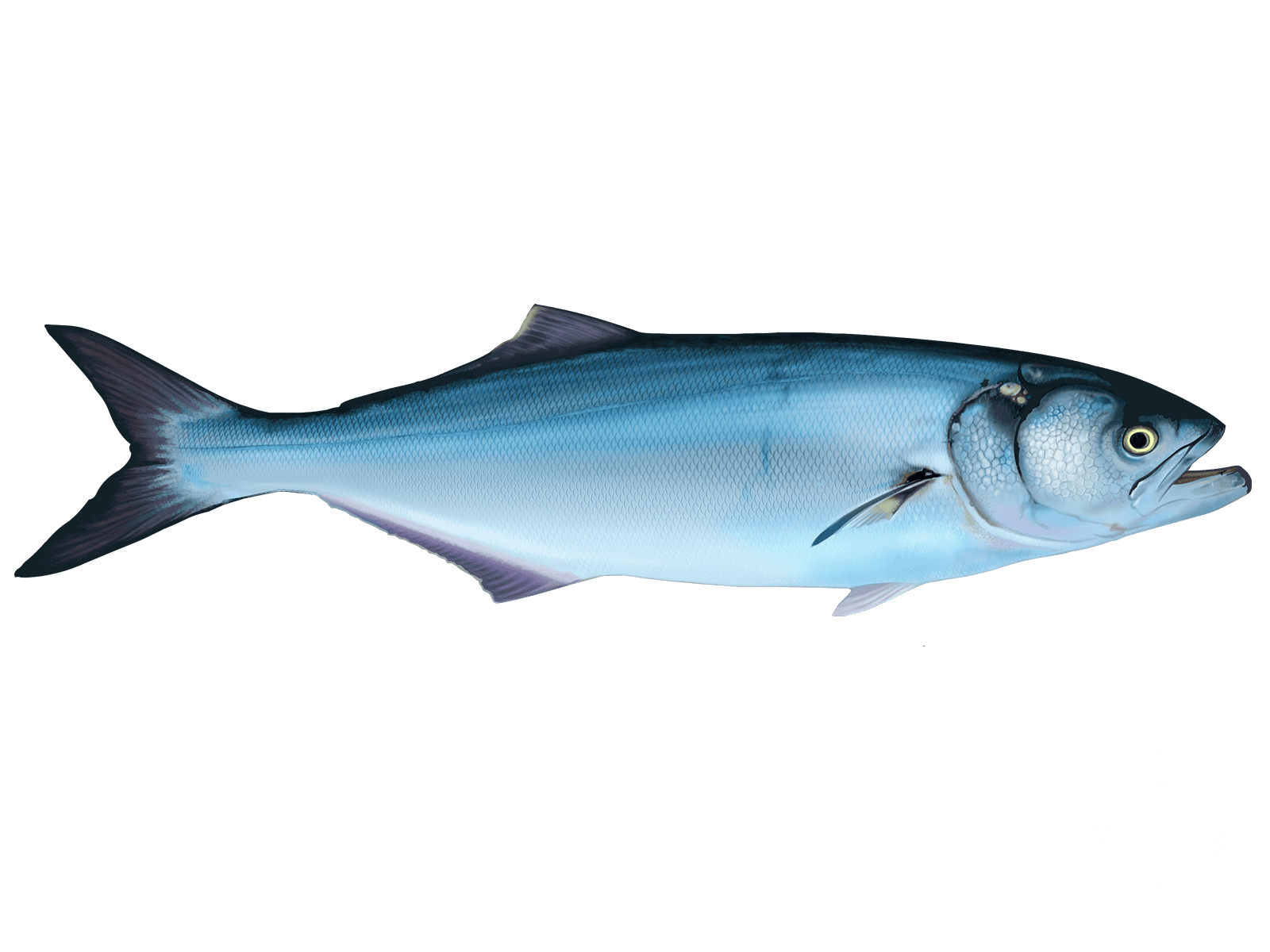
Bluefish are the bullies of the inshore waters around Wildwood, and that's exactly why anglers love targeting them. These toothy predators can range from small snappers up to hefty choppers pushing 10+ pounds. They're notorious for their aggressive feeding frenzies and will hit just about anything that moves. Blues are year-round residents but peak during summer and fall migrations. When you hook into a good-sized blue, expect a strong initial run and some serious head shakes.
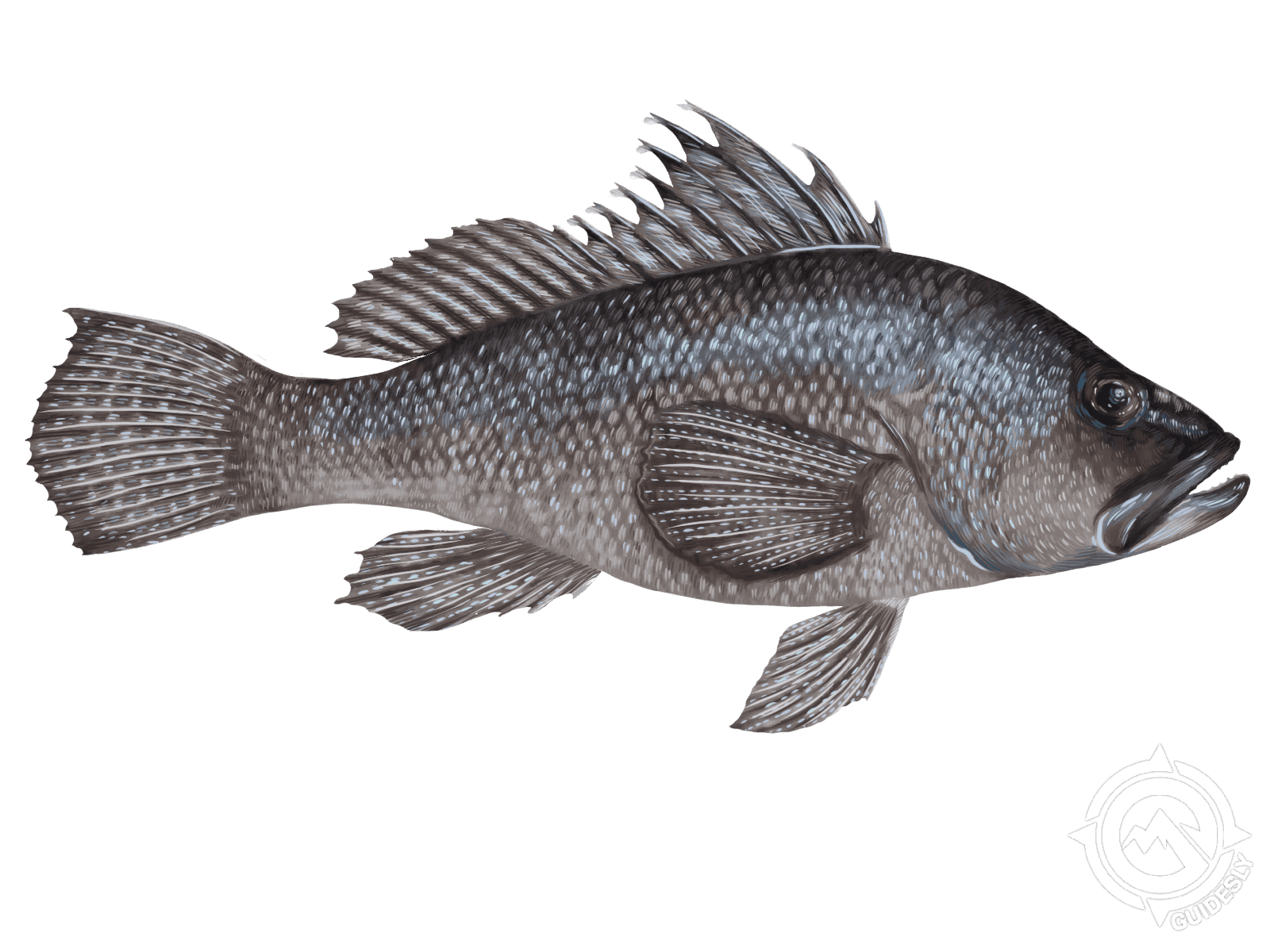
Black Sea Bass are the bread and butter of bottom fishing in these waters. They're structure-oriented fish that love hanging around rocks, wrecks, and reefs. Most bass run 1-3 pounds, but the occasional doormat of 4+ pounds makes every drop exciting. They're excellent eating and relatively easy to catch once you locate them. Summer through early fall provides the best action, and they're typically found in 20-60 feet of water.
Summer Flounder, or fluke as locals call them, are the ultimate prize for many inshore anglers. These flatfish are masters of camouflage and ambush feeding. They can range from keeper-sized fish around 18 inches up to door-mat sized specimens over 5 pounds. Fluke fishing requires patience and technique – they're known for short bites and light pickups. The reward is worth it though, as they're considered premium table fare and provide a challenging fight with lots of head shakes.
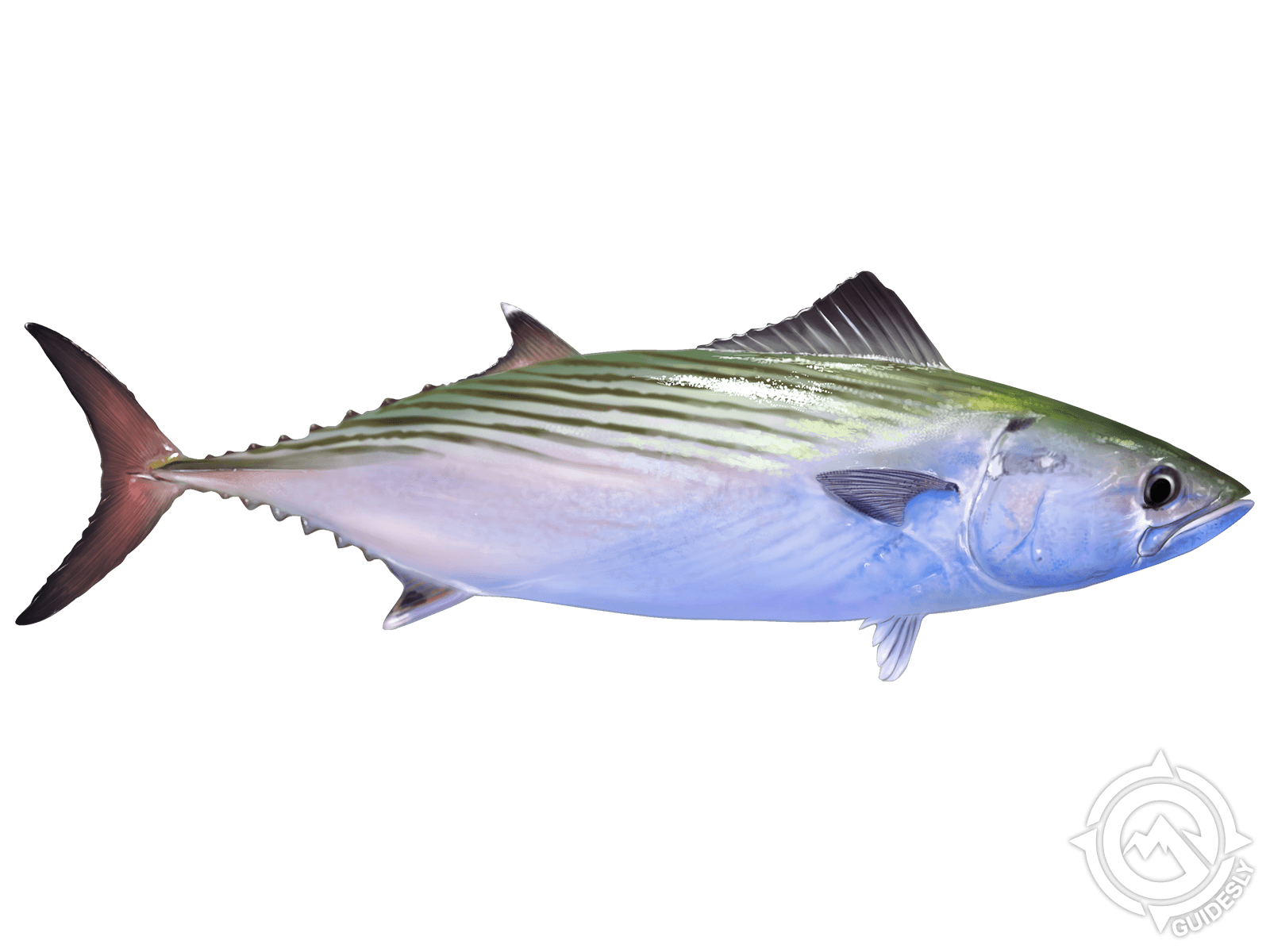
Atlantic Bonito are the speed merchants of the local waters and a real treat when they show up. These members of the tuna family are built for speed and will test your drag system immediately. They typically show up during their migration periods and can range from 2-8 pounds. What sets them apart is their incredible speed and stamina – they'll make multiple blistering runs before you get them to the boat. They prefer cooler water
Customer Review
Shark Fishing Win

Maria Morrison
August 7, 2025
Learn more about the species
Atlantic Bonito
Atlantic bonito are like miniature tuna that'll test your drag system. They average 3-8 pounds but fight way above their weight class, hitting 40 mph when they want to. You'll recognize them by the dark stripes along their silver sides and that narrow tail built for speed. They school up in huge numbers during summer, often feeding on the surface with their dorsal fins showing like small sharks. We find them in mid-water column around baitfish schools - just look for diving birds. These fish are pure adrenaline on light tackle, making long runs and jumping. While they're oily and not great eating here, they're a blast to catch. Quick tip: when you find a feeding school, throw anything shiny their way - they'll hit almost any lure when they're in feeding mode.
Black Sea Bass
Black sea bass are chunky bottom dwellers that love hanging around wrecks, jetties, and rocky structure in 20-120 feet of water. Most run 1-4 pounds, though we get some nice ones up to 8 pounds. They're grayish-black with white-centered scales, and the big males turn bright blue during spawning with a hump on their heads. Late spring through summer is prime time when they move inshore. These fish are interesting - they're all born female, then change to male as they grow bigger. They put up a solid fight on medium tackle until they hit the surface. The meat is excellent - white, flaky, and mild. Pro tip: use a two-hook rig with squid or clam strips, and once you find one, work that spot thoroughly since they school up on structure.
Bluefish
Blues are aggressive fighters that'll give you a real workout. Most run 3-5 pounds, but we catch them up to 20 pounds around here. They're built for speed with sharp triangular teeth and a bad attitude. During summer they gather around jetties, wrecks, and sandy areas in less than 120 feet of water. These fish are famous for their feeding frenzies - they'll attack schools of baitfish even when they're full, churning the water like a washing machine. The smaller "snappers" are perfect for kids to catch in the bays. Blues fight hard until they break the surface, then give up quick. They're good eating when prepared fresh - the meat can be strong on bigger fish, so bleed them right away and keep them cold.
Spanish Mackerel
Spanish mackerel are fast, silver speedsters that typically run 1-2 feet long and weigh 8-11 pounds. You'll spot them by their yellowish oval spots along the sides. These fish love warm water and show up best during summer months when they school near the surface. We find them around structures and open water, often trolling with spoons or small jigs. They're absolute rockets when hooked - one of the fastest swimmers in the ocean at 18 feet per second. Guests love them because they fight hard and make excellent eating when grilled or smoked. The meat is mild and flaky, not too fishy. Here's a local tip: when you see birds diving, get there fast but drift into the school quietly so you don't spook them away.
Summer Flounder
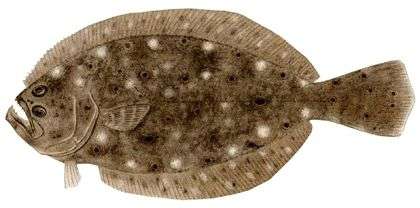
Summer flounder, or fluke, are the "chameleons of the sea" - they change color to match the bottom perfectly. Most run 15-20 inches, but we catch some doormat-sized fish up to 26 pounds. They're flatfish that lie on sandy or muddy bottoms in bays, inlets, and nearshore waters. Fall fishing from September through November is prime time when they're feeding heavily before heading offshore. These are ambush predators that bury in the sand and grab passing bait. Guests love them because they're tricky to hook and excellent table fare - sweet, white meat that's hard to beat. The trick with fluke is patience: let them run with the bait before setting the hook since they bite sideways. Use a circle hook with live minnows or strips fished right on the bottom.
About the 30 ft Island Hopper Pilothouse
%2F%2Fusers%2Fc735d2f7-acc6-4d6c-9302-4fb0a9db6119%2Fvehicle_picture%2F126e89a3-c598-4c10-861e-60cecbbc5a25.jpg&w=1920&q=75)
Vehicle Guest Capacity: 6
Manufacturer Name: Cummins
Maximum Cruising Speed: 17
Number of Engines: 1
Horsepower per Engine: 330

What could have been a mediocre day was anything but that! Just before our scheduled arrival, Capt Nick let us know the morning trip hadn’t yielded much and the water conditions were less than perfect - he left it up to us whether we’d like to do the trip or not. We decided to roll the dice and go for it - and we’re happy we did! Capt Nick and Brian were both personable and knowledgable - answering all the questions we asked and sharing some great stories along the way - we even got to share a great dolphin story we heard. Onto the fishing! With no guarantees and the warning that morning run wasn’t very fruitful, we prepared ourselves to not catch much. But we sat out there enjoying the water and sharing some laughs until, suddenly, we got a bite! There were three of us on the trip and we each had the opportunity to reel in a shark. I’m no expert at all - but they were saying each one was probably around 150 - 200 pounds! We had an absolutely wonderful day on the water and each of us now has a new and exciting fishing story to tell our friends - with pictures to prove it! Highly recommend - 5 stars - would do this again!